Categories
Articles and Tweets

Ukraine War Escalates as Russia Rejects Peacekeepers and Kyiv Boosts Arms Production

Spread the love

Summary

Russia has dismissed the idea of a multinational peacekeeping force in Ukraine, calling it a threat, while Kyiv accelerates domestic production of advanced missiles and drones with EU funding. Recent Russian strikes on civilian areas highlight intensifying conflict, as geopolitical tensions spill into broader societal unrest, including rising antisemitism in Europe.

Key Stories

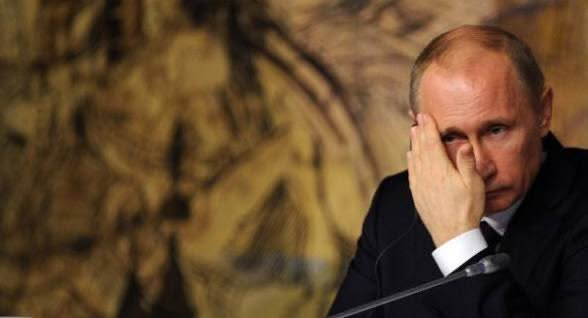
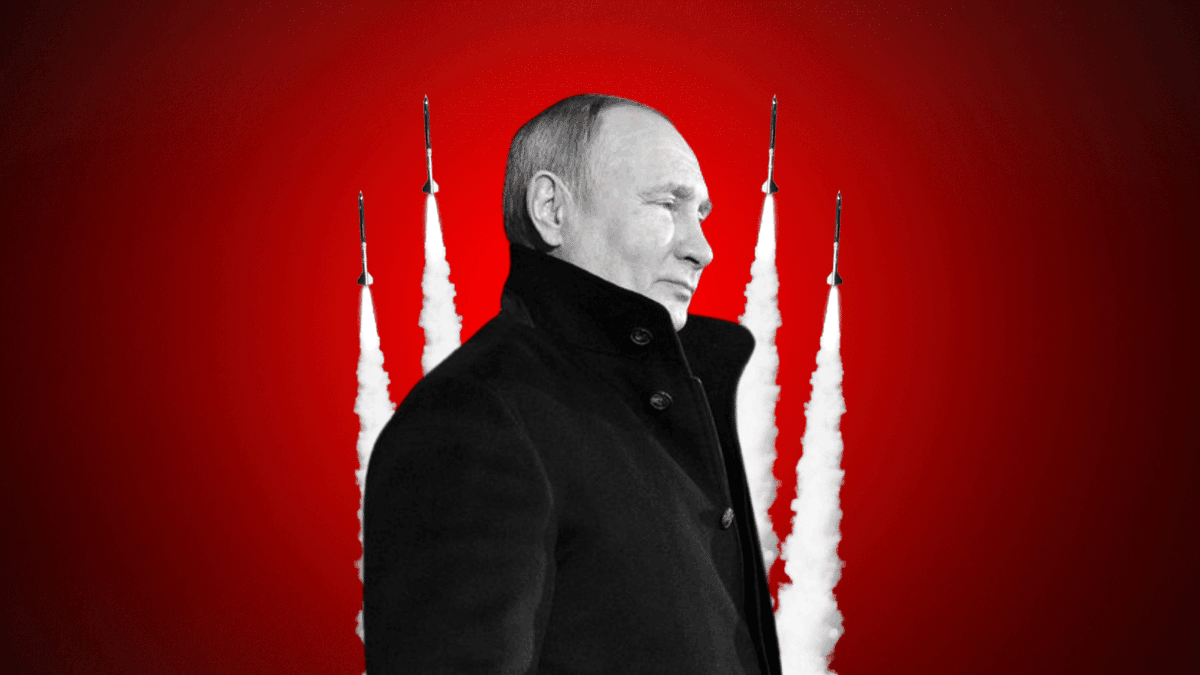
Russia rejects Western peacekeeping force in Ukraine as unacceptable threat — Moscow warned that any multinational force deployed by Ukraine’s allies under a potential peace deal would be viewed as a direct threat, signaling no compromise on territorial or security demands. This stance suggests prolonged conflict despite diplomatic efforts.

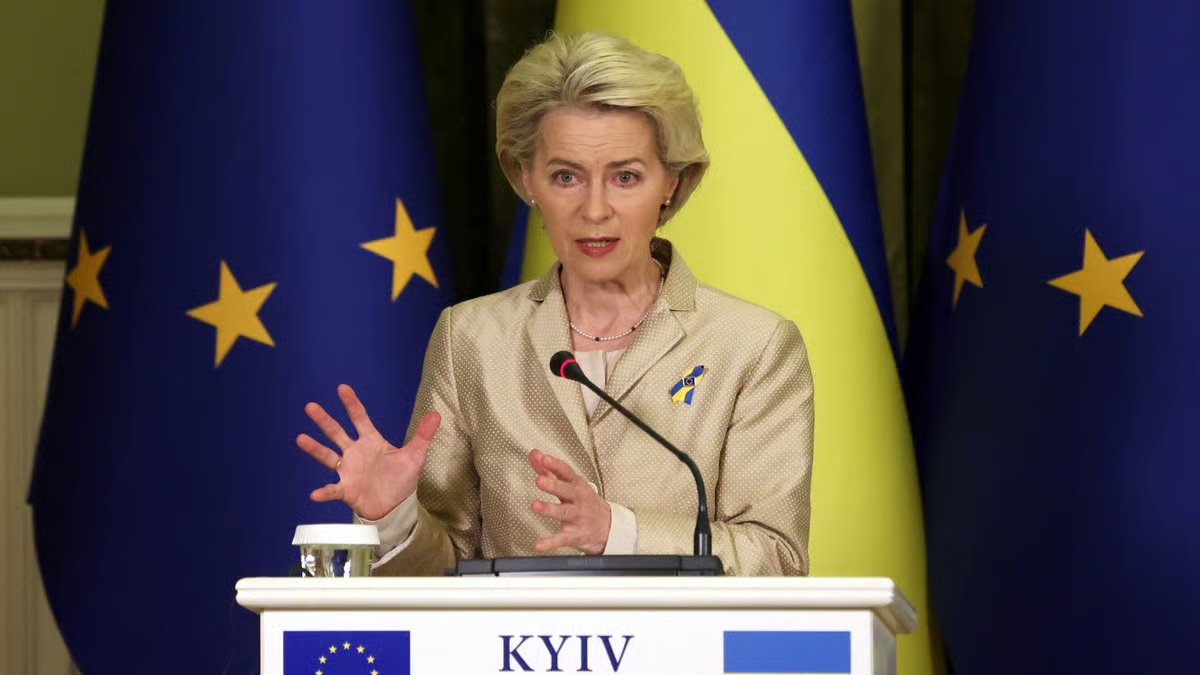
Ukraine launches domestic production of Patriot missiles and drones with EU support — Kyiv began licensed production of Patriot air defense missiles, SAMP/T systems, and HIMARS munitions, funded by a 1 billion euro EU drone initiative. This marks a shift toward self-sufficiency in critical military hardware amid sustained Russian attacks.

Russian strikes kill civilians in Zaporizhzhia and Kharkiv amid escalating violence — Combined Russian attacks on Ukrainian cities resulted in civilian casualties, underscoring the war’s human toll. The strikes coincide with Kyiv’s push for greater military autonomy and Western aid.

Antisemitic incidents surge in UK following Israel-Hamas conflict — London Underground ads calling to dismantle the Zionist war machine reflect a broader rise in antisemitism, with over 11,300 incidents recorded in the UK since October 2023. The trend highlights growing societal polarization linked to Middle Eastern conflicts.

Ukraine war enters new phase with expanded Russian offensive and Western aid shifts — Russia’s full-scale invasion, now in its third year, remains Europe’s largest conflict since WWII, with no immediate resolution in sight. Western support for Ukraine is evolving toward long-term military self-reliance and strategic deterrence.

The post Ukraine War Escalates as Russia Rejects Peacekeepers and Kyiv Boosts Arms Production first appeared on Global Security And Intelligence News Review – Audio Posts.

Spread the love
Categories
Articles and Tweets

#Russia’s Federal Security Service (#FSB) claimed to have thwarted a massive, unprecedented artificial intelligence-guided #DronePlot targeting deep-inside defense plants and military airfields Russia’s Federal Security Service (FSB) announced it disrupted a series of sophisticated, multi-stage Ukrainian drone operations targeting defense plants and strategic military airfields located thousands of kilometers deep inside Russian territory. The intelligence agency claimed the seized first-person view (FPV) drones utilized advanced artificial intelligence (AI) navigation systems designed to bypass Russian electronic warfare jamming. [1, 2, 3, 4] Th

Spread the love


Spread the love
Categories
Articles and Tweets

RT by @mikenov: RT by @mikenov: BEFORE & AFTER: Operated by the FSB’s border service, what’s left of the Russian Project 22460 Rubin-class patrol ship 𝘐𝘻𝘶𝘮𝘳𝘶𝘥 is shown sunk at pierside. It was hit by a UKR Navy Sargan-3000 Unmanned Surface Vessel (USV) in the Sea of Azov.

Spread the love


Spread the love
Categories
Articles and Tweets

RT by @mikenov: RT by @mikenov: BREAKING: INDICT HIM! Jared Kushner gets caught in a massive scandal as it’s revealed that Iran warned the U.S. that he was abusing his negotiating role to line his and his cronies’ pockets with $9 BILLION! We suspected it, now we have the smoking gun… According to bombshell reporting from Drop Site News, Iranian officials sent a private message to JD Vance in late June warning him that Trump’s Special Envoy Steve Witkoff and his corrupt son-in-law Jared Kushner were endangering the viability of negotiations to end the war. The message revealed that Witkoff and Kushner were “more interested in exploiting insider knowledge of the negotiations to profit in fin

Spread the love


Spread the love
Categories
Articles and Tweets

RT by @mikenov: RT by @mikenov: Russian code is inside the White House app, which is now mandated on all government phones. The company behind the code is growing. Its founders bank at sanctioned Russian banks. And its accountant has a criminal history. My investigation:

Spread the love


Spread the love
Categories
Articles and Tweets

Drone attacks deep inside Russia by Ukraine last 3 days chronologically – Google Search …

Spread the love


Spread the love
Categories
Articles and Tweets

Drone attacks deep inside Russia by Ukraine last 3 days chronologically

Spread the love


Spread the love
Categories
Articles and Tweets

Salavat refinery in Bashkortostan – Google Search

Spread the love


Spread the love
Categories
Articles and Tweets

RT by @mikenov: RT by @mikenov: NEW: Vice President JD Vance says the Trump administration “mishandled” last year’s release of the Epstein files.

Spread the love


Spread the love
Categories
The News And Times Blog

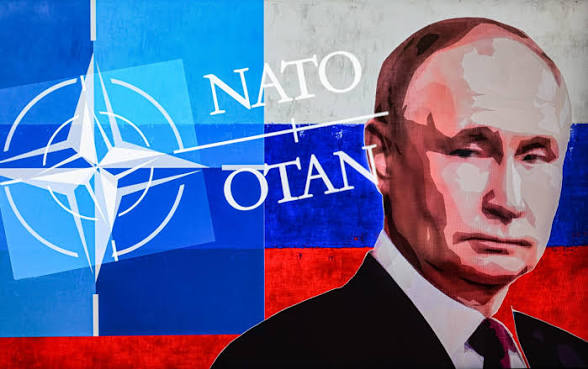
Russia and NATO are at verge of waging full scale war.

Spread the love

News Review – AI Briefs

17 min ago

Tensions politiques et sécuritaires sous l’administration Trump en 2026

Summary Les développements récents révèlent des divisions politiques persistantes et des actions controversées sous l’administration Trump, notamment sur les nominations clés, les …

News Review – AI Briefs

31 min ago

Ukraine War Escalates with Tech and Military Shifts

Summary Russia’s mounting military losses in Ukraine coincide with increased reliance on advanced technology and asymmetric tactics, suggesting a strategic pivot. The conflict’s es…

News Review – AI Briefs

1 hrs ago

Shifting Global Alliances and Escalating Military Strategies

Summary Europe abandons ESG constraints to bolster defense, while Ukraine intensifies attacks on Russian infrastructure and shipping. The U.S. reasserts naval dominance in the Midd…

Global Security And Intelligence News Review – Audio Posts
AI Brief

Summary

Europe abandons ESG constraints to bolster defense, while Ukraine intensifies attacks on Russian infrastructure and shipping. The U.S. reasserts naval dominance in the Middle East, and geopolitical alignments shift as Russia cedes influence to China. These developments suggest a rapid militarization of global conflicts and a reevaluation of long-standing economic and diplomatic norms.

Key Stories

Europe pivots from ESG to prioritize defense investments — Belgian Minister Theo Francken states the EU is abandoning ESG compliance as a barrier to defense spending, signaling a major shift in European security policy. This suggests a broader realignment of economic priorities in response to rising geopolitical threats.

Ukraine launches Black Sea offensive to cripple Russian shipping — Operation MoLoChKa targets 20 Russian tankers with attack drones, aiming to deny Russia control of the Black Sea basin. The strikes follow earlier successes in the Sea of Azov and reflect Ukraine’s growing reliance on asymmetric warfare.

U.S. strikes Iran and reimposes Hormuz blockade amid regional tensions — A 90-minute U.S. military operation against Iran coincides with the reinstatement of a naval blockade on the Strait of Hormuz. The move underscores escalating Middle East conflicts and America’s willingness to assert maritime dominance.

Ukraine’s drone production surges as Fedorov’s role gains strategic importance — Ukraine now produces 10 million drones annually, with Digital Minister Fedorov credited for automating deep strikes on Russian energy infrastructure. His potential removal is seen as a risk to Ukraine’s military momentum and U.S. support under the Trump administration.

Russia-China dynamic shifts as Putin assumes junior partner role — Analysts note Russia’s diminishing global influence, positioning it as a subordinate ally to China. This realignment may accelerate as Western sanctions and military setbacks erode Moscow’s leverage.

World Affairs
@World_Affairs11
BREAKING:

Russia and NATO are at verge of waging full scale war.


NATO strongly committed to supply Ukriane with military aid and
Articles and Tweets

Shifting Global Alliances and Escalating Military Strategies

Summary Europe abandons ESG constraints to bolster defense, while Ukraine intensifies attacks on Russian infrastructure and shipping. The U.S. reasserts naval dominance in the Middle East, and geopolitical alignments shift as Russia cedes influence to China. These developments suggest a rapid militarization of global conflicts and a reevaluation of long-standing economic and diplomatic norms. Key Stories Europe pivots from ESG to prioritize defense investments — Belgian Minister Theo Francken states the EU is abandoning ESG compliance as a barrier to defense spending, signaling a major shift in European security policy. This suggests a broader realignment of economic priorities in response to rising geopolitical threats. Ukraine launches Black Sea offensive to cripple Russian shipping — Operation MoLoChKa targets 20 Russian tankers with attack drones, aiming to deny Russia control of the Black Sea basin. The strikes follow earlier successes in the Sea of Azov and reflect Ukraine’s growing reliance on asymmetric warfare. U.S. strikes Iran and reimposes Hormuz blockade amid regional tensions — A 90-minute U.S. military operation against Iran coincides with the reinstatement of a naval blockade on the Strait of Hormuz. The move underscores escalating Middle East conflicts and America’s willingness to assert maritime dominance. Ukraine’s drone production surges as Fedorov’s role gains strategic importance — Ukraine now produces 10 million drones annually, with Digital Minister Fedorov credited for automating deep strikes on Russian energy infrastructure. His potential removal is seen as a risk to Ukraine’s military momentum and U.S. support under the Trump administration. Russia-China dynamic shifts as Putin assumes junior partner role — Analysts note Russia’s diminishing global influence, positioning it as a subordinate ally to China. This realignment may accelerate as Western sanctions and military setbacks erode Moscow’s leverage.

Shifting Global Alliances and Escalating Military Strategies

Summary Europe abandons ESG constraints to bolster defense, while Ukraine intensifies attacks on Russian infrastructure and shipping. The U.S. reasserts naval dominance in the Middle East, and geopolitical alignments shift as Russia cedes influence to China. These developments suggest a rapid militarization of global conflicts and a reevaluation of long-standing economic and diplomatic norms. Key Stories Europe pivots from ESG to prioritize defense investments — Belgian Minister Theo Francken states the EU is abandoning ESG compliance as a barrier to defense spending, signaling a major shift in European security policy. This suggests a broader realignment of economic priorities in response to rising geopolitical threats. Ukraine launches Black Sea offensive to cripple Russian shipping — Operation MoLoChKa targets 20 Russian tankers with attack drones, aiming to deny Russia control of the Black Sea basin. The strikes follow earlier successes in the Sea of Azov and reflect Ukraine’s growing reliance on asymmetric warfare. U.S. strikes Iran and reimposes Hormuz blockade amid regional tensions — A 90-minute U.S. military operation against Iran coincides with the reinstatement of a naval blockade on the Strait of Hormuz. The move underscores escalating Middle East conflicts and America’s willingness to assert maritime dominance. Ukraine’s drone production surges as Fedorov’s role gains strategic importance — Ukraine now produces 10 million drones annually, with Digital Minister Fedorov credited for automating deep strikes on Russian energy infrastructure. His potential removal is seen as a risk to Ukraine’s military momentum and U.S. support under the Trump administration. Russia-China dynamic shifts as Putin assumes junior partner role — Analysts note Russia’s diminishing global influence, positioning it as a subordinate ally to China. This realignment may accelerate as Western sanctions and military setbacks erode Moscow’s leverage. The post Shifting Global Alliances and Escalating Military Strategies first appeared on Global Security And Intelligence News Review – Audio Posts.

Putin’s War Backfires as Russia Faces Multi-Front Crisis

Summary Vladimir Putin’s invasion of Ukraine is unraveling on multiple fronts, with deepening military setbacks, economic strain, and internal dissent. Ukraine’s strikes on Russian oil infrastructure have triggered fuel shortages, while elite discontent and global pressure suggest Putin’s grip on power may be weakening. The war’s prolonged stalemate is exposing systemic vulnerabilities in Russia’s leadership and economy. Key Stories Ukraine’s deep strikes expose Russia’s critical fuel shortages — Targeted attacks on Russian oil refineries and depots have led to gasoline shortages, undermining domestic stability and economic output. Social media backlash highlights public frustration with the government’s inability to manage basic resources, suggesting operational vulnerabilities in Russia’s war machine. Putin’s nuclear threats countered by global diplomacy — Poland revealed Indian Prime Minister Narendra Modi intervened in 2022 to dissuade Putin from using nuclear weapons in Ukraine. The disclosure underscores growing international efforts to contain escalation risks while signaling Putin’s isolation on strategic decisions. Russian elites question loyalty as wealth and influence erode — Billionaires are disappearing from Russia’s wealth rankings, with half removed due to declining asset values rather than sanctions. The trend may indicate waning confidence in Putin’s ability to protect oligarchic interests, potentially fracturing elite support for the regime. Military stalemate and economic strain fuel leadership doubts — Analysts point to signs of Putin losing control, including battlefield stagnation, economic contraction, and Belarusian leader Lukashenko’s erratic maneuvers. The convergence of these pressures suggests the war’s costs are outpacing Putin’s capacity to sustain domestic and international legitimacy. Kaliningrad blockade signals NATO’s strategic shift — Poland’s closure of access to Russia’s Baltic exclave Kaliningrad tightens NATO’s containment of Putin’s nuclear-capable outpost. The move reflects Western confidence in countering Russian aggression while escalating logistical and symbolic pressure on Moscow.

Putin’s War Backfires as Russia Faces Multi-Front Crisis

Summary Vladimir Putin’s invasion of Ukraine is unraveling on multiple fronts, with deepening military setbacks, economic strain, and internal dissent. Ukraine’s strikes on Russian oil infrastructure have triggered fuel shortages, while elite discontent and global pressure suggest Putin’s grip on power may be weakening. The war’s prolonged stalemate is exposing systemic vulnerabilities in Russia’s leadership and economy. Key Stories Ukraine’s deep strikes expose Russia’s critical fuel shortages — Targeted attacks on Russian oil refineries and depots have led to gasoline shortages, undermining domestic stability and economic output. Social media backlash highlights public frustration with the government’s inability to manage basic resources, suggesting operational vulnerabilities in Russia’s war machine. Putin’s nuclear threats countered by global diplomacy — Poland revealed Indian Prime Minister Narendra Modi intervened in 2022 to dissuade Putin from using nuclear weapons in Ukraine. The disclosure underscores growing international efforts to contain escalation risks while signaling Putin’s isolation on strategic decisions. Russian elites question loyalty as wealth and influence erode — Billionaires are disappearing from Russia’s wealth rankings, with half removed due to declining asset values rather than sanctions. The trend may indicate waning confidence in Putin’s ability to protect oligarchic interests, potentially fracturing elite support for the regime. Military stalemate and economic strain fuel leadership doubts — Analysts point to signs of Putin losing control, including battlefield stagnation, economic contraction, and Belarusian leader Lukashenko’s erratic maneuvers. The convergence of these pressures suggests the war’s costs are outpacing Putin’s capacity to sustain domestic and international legitimacy. Kaliningrad blockade signals NATO’s strategic shift — Poland’s closure of access to Russia’s Baltic exclave Kaliningrad tightens NATO’s containment of Putin’s nuclear-capable outpost. The move reflects Western confidence in countering Russian aggression while escalating logistical and symbolic pressure on Moscow. The post Putin’s War Backfires as Russia Faces Multi-Front Crisis first appeared on Global Security And Intelligence News Review – Audio Posts.

Spread the love