Categories
The News And Times Blog

Ukrainian strikes on #Russia: #Ukraine claims it has successfully struck a Russian ammunition factory and an oil terminal located in occupied #Crimea
Spread the love

Ukrainian strikes on #Russia: #Ukraine claims it has successfully struck a Russian ammunition factory and an oil terminal located in occupied #Crimea


Spread the love
Categories
The News And Times Blog

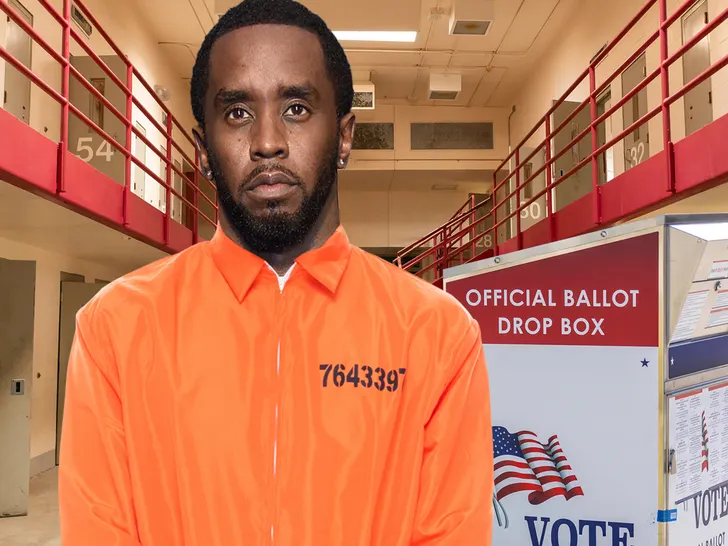
Diddy and Election 2024: How the FBI and the Mossad got Trump elected.

Spread the love


Diddy and Election 2024: How the FBI and the Mossad got Trump elected.

Image

Diddy and Election 2024 – GS

#FBI #Diddy and #Election2024 – Google Search AI Overview Sean “Diddy” Combs’s involvement in the 2024 election was centered on his federal sex trafficking and racketeering indictment, which became a political talking point, rather than on his direct participation. [1, 2] Diddy’s legal issues as a political talking point • Targeting Kamala Harris: Following Combs’s indictment in September 2024, far-right media and Donald Trump supporters weaponized the accusations against him to spread a smear campaign against Vice President Kamala Harris. • Fake images and rumors: Pro-Trump and “Make America Great Again” (MAGA) communities circulated false images and insinuations to implicate Harris as a “client” of Combs, linking her to his alleged criminal enterprise. • Focus on past political activities: Some critics also resurfaced Combs’s previous political activity, including a 2020 endorsement of Joe Biden, to further political attacks. In 2020, Combs also floated the idea of holding the Black vote “hostage” until Black voters received more support from political parties, though he later emphasized the importance of voting. [2, 3, 4, 5] Diddy’s legal timeline • Indictment (September 2024): Combs was indicted on federal charges of sex trafficking, racketeering, and transportation for prostitution. • Arrest and Trial (September 2024–July 2025): He was arrested, pleaded not guilty, and his trial began in May 2025. • Conviction and Acquittal (July 2025): A jury found Combs guilty of two counts of transportation to engage in prostitution but acquitted him on the more serious charges of sex trafficking and racketeering. • Sentencing (October 2025): On October 3, 2025, Combs was sentenced to 50 months (four years and two months) in prison with a $500,000 fine. [1, 6, 7, 8, 9] Trump’s comments on a potential pardon • After Combs’s conviction, there was some speculation about a potential presidential pardon. • In an August 2025 interview on Newsmax, Donald Trump was asked about the possibility of pardoning Combs. He indicated it was unlikely, stating that Combs was “very hostile” toward him during the 2016 campaign, which would make a pardon “more difficult”. [10, 11] AI responses may include mistakes. [1] cnn.com/2024/09/17/us/ [2] lemonde.fr/en/les-decodeu [3] variety.com/2020/music/new [4] imdb.com/name/nm0857263 [5] m.economictimes.com/news/internati [6] edition.cnn.com/entertainment/ [7] kstp.com/ap-top-news/a- [8] cnn.com/2025/07/03/us/ [9] eonline.com/news/1419396/d [10] hindustantimes.com/world-news/us- [11] instagram.com/p/DM8RpMEv84z/ google.com/search?q=Diddy

Diddy’s Legal Troubles Cast a Shadow Over 2024 Election Discussion

Sean “Diddy” Combs, the influential music mogul, found himself at the center of political discourse during the 2024 election cycle, not for his endorsements or campaign activities, but due to a series of escalating legal battles. His past associations with figures from both Democratic and Republican parties were weaponized by political opponents, making him an unwitting talking point in the presidential race.

Historically, Diddy has engaged in the political arena.1 He famously launched the “Vote or Die” campaign in 2004 to encourage youth voter participation and has previously supported Democratic candidates, including hosting a virtual town hall with Kamala Harris during the 2020 campaign.2 He also interviewed Barack Obama during his time as a senator.3 However, he has also maintained a long-standing connection with Donald Trump, dating back to their time as prominent New York businessmen in the 1990s.4

This complex political history became fertile ground for political maneuvering in 2024 as Diddy faced multiple lawsuits alleging sexual assault and trafficking, which began to surface in late 2023 and intensified throughout the election year.5 Both the Trump and Harris campaigns sought to leverage Diddy’s legal woes against each other.6

Opponents of Kamala Harris pointed to her past association with the music producer, highlighting his virtual town hall as evidence of her proximity to a figure embroiled in serious controversy.7 A digitally altered photograph of Harris and Diddy was also circulated online in an attempt to solidify this connection in the public mind.8

Conversely, those critical of Donald Trump emphasized his past relationship with Diddy, using their shared history as New York celebrities to tie the former president to the embattled music figure.9

Notably absent from the 2024 election landscape were any new political endorsements or significant voter engagement initiatives from Diddy himself. The gravity of the allegations against him and the ensuing legal proceedings appeared to consume his public focus, preventing any active participation in the political cycle in the way he had in the past. His situation, however, serves as a stark example of how celebrity associations and legal troubles can become entangled in the fabric of a presidential campaign. 


Spread the love
Categories
The News And Times Blog

Trump and Putin: How sane or insane are they?

Spread the love


Articles and Tweets

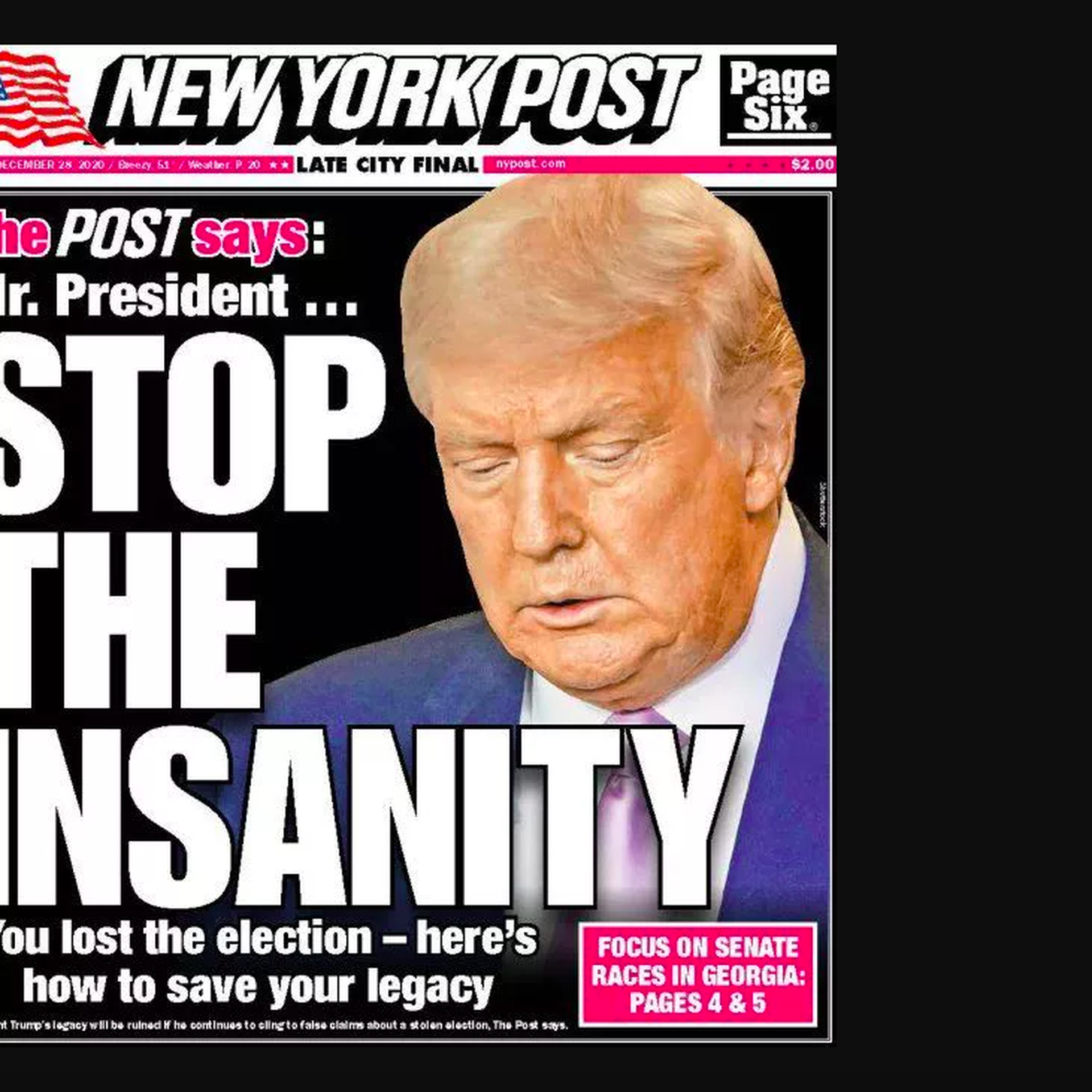
Trump and Insanity

Trump and Insanity https://thenewsandtimes.blogspot.com/2025/10/trump-and-insanity.html Discussions surrounding the mental state of Donald Trump have been a prominent feature of his political career, encompassing a range of perspectives from mental health professionals, political commentators, and the public.1 While the term “insanity” is a legal and social concept rather than a clinical diagnosis, concerns about Trump’s fitness for office have been articulated through various psychological and neurological frameworks. Links Trump’s Mental State: Debate and Ethics https://g.co/gemini/share/5e504c59a3b4 Opens in a new window Created October 4, 2025 at 09:05 AM 25th Amendment and Presidential Fitness https://g.co/gemini/share/10f497f8aa89 Opens in a new window Created October 3, 2025 at 07:53 PM Political Insanity: A Complex Concept https://g.co/gemini/share/c8338181c96a Opens in a new window Created October 3, 2025 at 07:41 PM Legal Insanity and Presidential Fitness https://g.co/gemini/share/7c53e2f09f56 Opens in a new window Created October 3, 2025 at 07:23 PM
00:00–:–


Spread the love
Categories
The News And Times Blog

Trump and Insanity

Spread the love


Trump and Insanity

Discussions surrounding the mental state of Donald Trump have been a prominent feature of his political career, encompassing a range of perspectives from mental health professionals, political commentators, and the public.1 While the term “insanity” is a legal and social concept rather than a clinical diagnosis, concerns about Trump’s fitness for office have been articulated through various psychological and neurological frameworks.2

Claims and Counterclaims

Concerns about Cognitive Health: A number of neuropsychologists and psychologists have publicly voiced concerns about what they perceive as a decline in Trump’s cognitive abilities.3 These concerns are often based on observations of his public statements, speech patterns, and behavior. For instance, Dr. Narinder Kapur, a senior neuropsychologist, suggested Trump undergo cognitive testing, including for Alzheimer’s disease, citing what he described as “odd and strange” public statements and behaviors.4 Similarly, psychologist Dr. John Gartner has pointed to a perceived deterioration in Trump’s motor skills and language as potential signs of early-stage dementia.5

In his defense, Donald Trump has consistently asserted his mental acuity, famously describing himself as a “very stable genius.” Official reports from his White House physician have stated that he exhibits no signs of memory loss, neurological abnormality, or cognitive impairment. During his presidency, it was reported that Trump took the Montreal Cognitive Assessment (MoCA), a screening tool for cognitive function, and scored a perfect 30/30.6 The White House released a statement in April 2025 affirming he was in “excellent health” and “fully fit” to serve as commander-in-chief.7

Psychological Assessments from a Distance: Beyond cognitive decline, some mental health professionals have suggested that Trump’s behavior aligns with certain personality disorders.8 A notable publication, “The Dangerous Case of Donald Trump,” featured essays from 27 psychiatrists, psychologists, and other mental health professionals arguing that Trump’s mental health posed a “clear and present danger” to the nation.9 Common assertions in the public discourse have included suggestions of narcissistic personality disorder, characterized by grandiosity, a need for admiration, and a lack of empathy.10

The Goldwater Rule and Ethical Debates

Public commentary on the mental health of political figures is a contentious issue within the psychiatric community, largely due to the “Goldwater Rule.”11 This ethical guideline from the American Psychiatric Association (APA) states that it is unethical for psychiatrists to offer a professional opinion on a public figure without conducting an examination and being granted proper authorization for such a statement.12

The rule emerged after the 1964 presidential election when a magazine published a survey of psychiatrists on whether Barry Goldwater was psychologically fit to be president, to which he successfully sued for libel.13 During Trump’s presidency, the Goldwater Rule became a subject of intense debate. Some mental health professionals argued that the potential danger posed by a president’s mental state constituted an exception, invoking a “duty to warn.” Others maintained that diagnosing from a distance is irresponsible and often influenced by political bias, undermining the credibility of the psychiatric profession. The APA has consistently upheld the Goldwater Rule, cautioning its members against speculating on the mental health of public figures.

Political and Public Discourse

The debate over Trump’s mental state has also been a significant element of political and public discourse. Critics have pointed to his often-unconventional communication style, use of hyperbole, and challenges to established facts as evidence of a concerning psychological profile. His political opponents and some media outlets have frequently highlighted instances of apparent confusion or verbal missteps.14

Conversely, his supporters often view his communication style as authentic and a rejection of political correctness. They may attribute criticisms of his mental state to political animosity and an attempt to pathologize a disruptive political figure.

It is important to note that without a formal clinical evaluation, any public discussion of a political figure’s mental health remains in the realm of observation and speculation. The complexities of personality, political strategy, and potential underlying health issues are difficult to disentangle from a distance, making definitive conclusions challenging.


The Question of “Insanity” and the 25th Amendment

The question of whether a president is “insane” and if the 25th Amendment could be invoked involves navigating complex medical, legal, and political territory. The term “insane” itself carries different meanings in each of these contexts, and any discussion of a president’s fitness for office necessitates a clear understanding of these distinctions.

Defining “Insanity”: A Multifaceted Term

Medically, the term “insane” is largely obsolete.1 Clinicians diagnose specific mental health conditions with precise criteria, and “insanity” is not a diagnosis.2 What might be informally labeled as “insane” behavior could stem from a range of conditions, or it might not be related to a medical condition at all.3

Legally, “insanity” is a specific concept used in criminal defense.4 The legal standard for insanity varies by jurisdiction, but it generally centers on whether a defendant, due to a severe mental disease or defect, was unable to understand the nature of their actions or that their actions were wrong.5 This is a high bar and is determined through a legal process, not a medical diagnosis alone.6 When discussing a president’s fitness for office, this criminal law definition is not directly applicable.

Politically, the term “insane” is often used rhetorically to criticize a political figure’s decisions, statements, or behavior.7 In this context, it is a subjective label and not a formal or legal determination.

Discussions Surrounding Donald Trump’s Mental State

Throughout his political career, Donald Trump’s mental state has been the subject of public discussion and speculation from various quarters, including mental health professionals, political commentators, and the media.8

Some mental health professionals have publicly expressed concerns, often pointing to behaviors they view as indicative of certain personality traits or potential cognitive issues.9 It is crucial to note the “Goldwater rule,” an ethical principle from the American Psychiatric Association that discourages psychiatrists from offering professional opinions on public figures they have not personally examined.10

Conversely, supporters and allies of Donald Trump have dismissed these concerns as politically motivated attacks. They often point to his accomplishments and his self-described status as a “very stable genius.” Official White House physicians during his presidency stated that he was in excellent health, and he has touted his performance on a cognitive screening test.

These differing views highlight the challenge of assessing a public figure’s mental fitness from a distance and the politicization of such discussions.

The 25th Amendment: A High Constitutional Bar

The 25th Amendment to the U.S. Constitution provides a mechanism for the transfer of presidential power in cases of death, resignation, removal, or disability.11 Section 4 is most relevant to discussions of a president’s potential inability to serve.12

Legal and Procedural Aspects of Invoking Section 4:

The process for involuntarily removing a president from power is intentionally rigorous:

  1. Initiation: The Vice President and a majority of the principal officers of the executive departments (the Cabinet) must declare in writing to the President pro tempore of the Senate and the Speaker of the House of Representatives that the President is unable to discharge the powers and duties of their office.13

  2. Immediate Transfer of Power: Upon this declaration, the Vice President immediately assumes the powers and duties of the office as Acting President.14

  3. Presidential Contest: The President can then submit a written declaration to the congressional leaders stating that no inability exists.15 If they do so, they would resume the powers and duties of the presidency.

  4. Congressional Decision: If the Vice President and a majority of the Cabinet submit another written declaration within four days that the President remains unable to serve, the matter is then decided by Congress.

  5. Supermajority Vote: Congress must assemble within 48 hours and has 21 days to vote.16 A two-thirds vote in both the House of Representatives and the Senate is required to declare the President unable to serve, in which case the Vice President would continue as Acting President.17 If this two-thirds majority is not reached, the President would regain their powers.

Basis for Invocation:

The basis for invoking the 25th Amendment is a president’s “inability to discharge the powers and duties of his office.”18 This phrase is not explicitly defined in the Constitution, leaving it open to interpretation based on the circumstances. The inability could be physical, mental, or otherwise.

The threshold for invoking the 25th Amendment is exceptionally high, designed to prevent its use for political purposes.19 It requires the agreement of those closest to the President—the Vice President and the Cabinet—and, if contested, a supermajority in Congress. This makes its successful invocation a significant constitutional and political challenge. There have been discussions and calls for its use in various contexts throughout history, including during the Trump administration, but Section 4 has never been invoked.20


The Evolving Concept of “Political Insanity”: From Medicalized Dissent to Modern Metaphor

The term “political insanity” is not a clinical diagnosis but a powerful and often contentious label used to describe a range of political phenomena, from individual actions to the behavior of entire societies. Its meaning has evolved significantly, originating as a medical concept to suppress dissent and now serving as a colloquial descriptor for political behavior that is perceived as irrational, counterproductive, or dangerously detached from reality.

A Controversial Medical Past

Historically, the concept of “political insanity” was wielded as a tool of political repression. In various regimes, individuals who expressed views contrary to the ruling ideology were diagnosed with forms of mental illness.1 This medicalization of dissent served to delegitimize opposition and justify the confinement and silencing of political opponents.2 For instance, in the Soviet Union, dissidents were often diagnosed with “sluggish schizophrenia,” a diagnosis created to pathologize non-conformist thought and behavior.3 This historical misuse highlights the dangers of conflating political disagreement with mental pathology.

The Psychology of Political Irrationality

In a more modern and metaphorical sense, “political insanity” is often used to describe political behavior that appears to defy logic and self-interest. Political psychology offers several lenses through which to understand this perceived irrationality:

  • Cognitive Biases: Individuals are prone to a variety of cognitive shortcuts and biases that can lead to flawed political reasoning. Confirmation bias, for example, is the tendency to favor information that confirms pre-existing beliefs while ignoring contradictory evidence.4 This can lead to political positions that are resistant to facts and logical persuasion.

  • Motivated Reasoning: This is the tendency to process information in a way that is emotionally biased, aiming to arrive at a particular and preferred conclusion. In the political realm, this can manifest as voters or politicians clinging to beliefs that are emotionally satisfying, even when evidence suggests they are misguided.

  • Groupthink and Polarization: The dynamics of political tribes and polarization can foster an environment where extreme or irrational ideas are normalized and amplified. Within an insular group, dissenting opinions may be suppressed, leading to a collective conviction in ideas that appear “insane” to outsiders. As political polarization intensifies, the “other side” is often viewed not just as wrong, but as fundamentally irrational.5

“Political Insanity” in Contemporary Discourse

In today’s political commentary, “political insanity” is a frequently used pejorative. It is employed to criticize a wide array of political actions and figures:

  • Policy Decisions: Policies that are seen as economically disastrous, socially divisive, or based on flawed premises are often labeled as “political insanity.” This rhetoric is used by commentators and political opponents to galvanize public opinion against a particular course of action.

  • Political Candidates and Leaders: The behavior and statements of political figures are sometimes characterized as “insane” to question their fitness for office or to highlight what is perceived as a departure from normal political conduct.

  • The Political Climate: The term is also used more broadly to describe a general sense of political chaos, dysfunction, and a breakdown of rational discourse. In this context, “political insanity” refers to a perceived societal condition where political processes seem to be driven by emotion, misinformation, and partisan fervor rather than reasoned debate and compromise.

Critiques of Using Mental Health Language in Politics

While the term “political insanity” can be a potent rhetorical device, its use is not without criticism. Invoking the language of mental illness to describe political opponents can be stigmatizing to individuals who experience actual mental health conditions. Critics argue that this practice can trivialize the complexities of both mental illness and political disagreement. Furthermore, labeling political adversaries as “insane” can shut down productive dialogue and contribute to the very political polarization it often seeks to condemn.

In conclusion, “political insanity” is a multifaceted term with a dark history and a complex present. While it lacks a formal definition, its usage points to a deep-seated concern with the role of reason, logic, and stability in the political sphere. Whether used to describe the calculated repression of dissent, the psychological quirks that drive political behavior, or the chaotic nature of modern politics, the concept of “political insanity” serves as a powerful, if controversial, lens through which to view and critique the world of politics.


Legal Insanity and the Presidency: An Examination of the Standard and Public Discourse

The question of whether a president can be deemed “legally insane” involves a complex intersection of legal standards and political realities. Legally, the term “insanity” has a specific definition within the criminal justice system that is not synonymous with a medical diagnosis of mental illness. There has been no formal legal proceeding in which Donald Trump’s sanity has been adjudicated, and therefore, he has never been found to be legally insane.

The concept of legal insanity is primarily used as a defense in criminal prosecutions.1 The standards for determining legal insanity vary by jurisdiction but generally fall into a few categories:

  • The M’Naghten Rule: This is the most common standard in the United States.2 To be found not guilty by reason of insanity under M’Naghten, a defendant must prove that, at the time of the offense, they were suffering from a “disease of the mind” to the extent that they did not know the nature and quality of the act they were doing, or if they did know it, they did not know that it was wrong.3

  • The Model Penal Code (MPC) Test: This standard, adopted by a number of states, holds that a person is not responsible for criminal conduct if, as a result of a mental disease or defect, they lack the “substantial capacity” to either appreciate the criminality of their conduct or to conform their conduct to the requirements of the law.4

  • The Irresistible Impulse Test: Used in some states, often in conjunction with the M’Naghten rule, this test absolves a defendant of criminal responsibility if they were driven by an “irresistible impulse” to commit the crime, even if they knew it was wrong.5

It is crucial to understand that these standards are applied in a courtroom setting, with extensive psychiatric evaluations and expert testimony. They are not metrics for casual or political assessment.

Public discourse surrounding Donald Trump’s mental state has been extensive, with a wide range of opinions expressed by mental health professionals, political commentators, and the general public.6 Some mental health professionals have publicly offered opinions on his psychological fitness for office, often citing behaviors and speech patterns as evidence for various diagnoses.7 However, these long-distance assessments are ethically controversial and are often viewed as a violation of the “Goldwater Rule,” an ethical guideline from the American Psychiatric Association that discourages psychiatrists from diagnosing public figures they have not personally examined.8

During his presidency, Donald Trump’s physician stated he was in “excellent health” and that he “aced” a cognitive screening test known as the Montreal Cognitive Assessment (MoCA).9 This test is designed to detect mild cognitive impairment but is not a comprehensive psychiatric evaluation and does not assess legal sanity.

In summary, while there has been significant public and professional debate about Donald Trump’s mental fitness, the question of his legal sanity has never been formally addressed in a court of law. The standards for legal insanity are specific to criminal defense and have not been applied to him. Therefore, there is no legal basis to declare him “legally insane.”

Links

Trump’s Mental State: Debate and Ethics


https://g.co/gemini/share/5e504c59a3b4
Opens in a new window

25th Amendment and Presidential Fitness


https://g.co/gemini/share/10f497f8aa89
Opens in a new window

Political Insanity: A Complex Concept


https://g.co/gemini/share/c8338181c96a
Opens in a new window

Legal Insanity and Presidential Fitness


https://g.co/gemini/share/7c53e2f09f56
Opens in a new window


Spread the love
Categories
The News And Times Blog

FBI, ADL, and Mossad

Spread the love

FBI, ADL, and Mossad

FBI Director Kash Patel Severs Ties with ADL – Google Gemini
In October 2025, FBI Director Kash Patel cut the bureau’s ties with the ADL, accusing the organization of “spying on Americans.” The ADL responded that it remains committed to fighting antisemitism – Google Search
ADL spying on Americans – Google Search
The counterintelligence aspects of the FBI – ADL partnership – Google Search
Mossad attempts to control the American Jews – Google Search
documented instances of Israeli intelligence activities – Google Search
ADL and Mossad – Google Search
ADL as the tool of Mossad – Google Search
ADL engaging in surveillance activities – Google Search
ADL surveills the American Jews with the special gusto – Google Search
fbi and mossad – Google Search
FBI and Mossad – Google Search

Assassination of Charlie Kirk


Spread the love
Categories
The News And Times Blog

Current News Review Links

Spread the love

Michael Novakhov on X: “Current News Review Links
Posts Review – The News And Times – thenewsandtimes.blogspot.com/feeds/posts/default

TNT Blog in brief posts

The News And Times Blog In Brief
________________________

News Review Summaries in AI Mode
Main News Now 

Summary of main Trump News today

Russia-Ukraine War News Today

FBI news today

Notable Opinions Today: editorials, op-eds, columns, articles

________________________________________________

All News – Current News Review
Articles and Tweets – Current News Review
Collections
Blogs
Audio News Review

The News and Opinions Podcast

Video News Review
Video – YouTube Searches

Video and Audio News Review | Video по-русски

Michael Novakhov on X: “Video – YouTube Searches 
Security and Intelligence News Review
Russia and Ukraine​ News Review
South Caucasus
Brooklyn, N.Y. News
FBI News

FBI news today
FBI Videos and Playlist

Sites

Articles and Tweets – Oscar Videos – Video News Review

Selected AI Conversations


AI Mode


REVIEW

Operation Trump: The New Abwehr – Mossad Hypothesis

Operation Trump: The New Abwehr – Mossad Hypothesis 

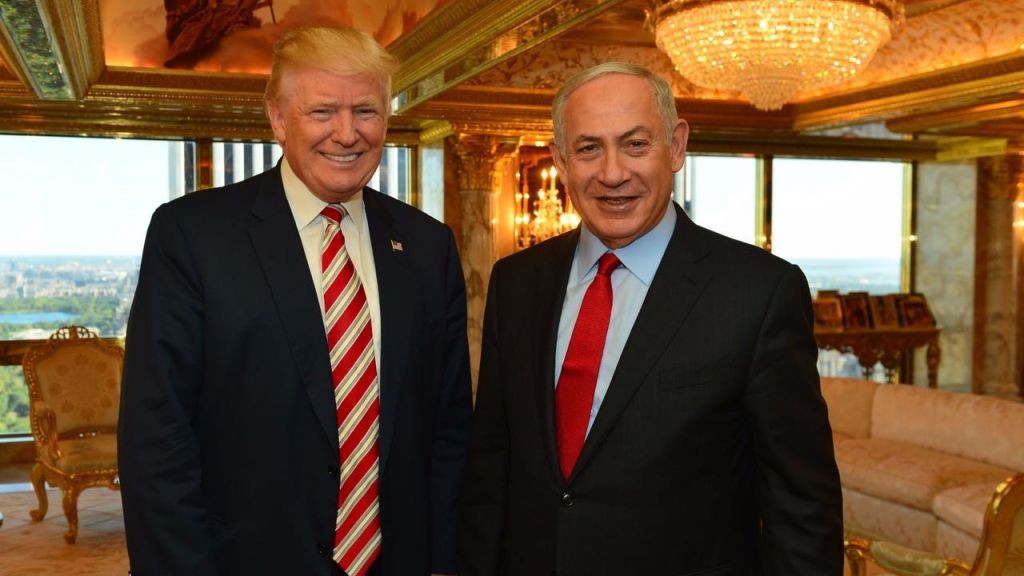
Trump-Netanyahu ring

https://thenewsandtimes.blogspot.com/2024/01/trump-netanyahu-ring-links-to-tweet.html

https://twitter.com/mikenov/status/1746213494922371160

The Hypothesis of Israeli Interference in the US Elections 2016 thenewsandtimes.blogspot.com/2024/01/the-hy
Mossad collected various US government emails for years prior to 2016 with the help of its many human assets. During 2016 campaign it released the Clintons emails via various “Leaks”, in the attempt to portray her as “unreliable” and to hurt her election chances. In the process it developed various covers, mostly Russia, with whom it had the agreement to cooperate. Jared Kushner the agent of Mossad, adapted their algorithms for the US elections. And finally, it orchestrated the October Surprise 2016: it set up Anthony Weiner and inserted Clinton’s emails into his laptop, in the attempt to portray Huma Abedin as treacherous. It coordinated closely with the “Trump-Land” FBI via James Kallstrom and Charles McGonigal, who was set up later for a fall guy, in addition to many others previously. The US Government should investigate this and the related hypotheses carefully, and the findings should be published after the proper investigations, filling out the blank spots. It will be good for both the US and Israel. These arrogant, stab in the back, Mossad shenanigans have to stop!
Michael Novakhov
5:43 AM 1/17/2024
Links
Israeli Interference in the US Elections 2016 – GS
Forensic exam of the Weiner’s Laptop: It was requested by the FBI in 2016 but it remains unclear if it was performed, how it was performed, by whom, and what are the results of it. Were there any signs of the cyber intrusion and the unauthorized cyber insertion of about 650,000 Clinton emails leaked earlier? I asked this question about a year ago, but there still no answers. This issue is of the primary importance in the task of the understanding the October Surprise 2016, its origins, true circumstances, and true causes. It is very important but a very simple question, requiring “yes or no” answer, to which the American people are fully entitled. Please, answer it!
https://twitter.com/mikenov/status/1747653565374488627
Ukrainian drone unit destroys Russian T-72B3 tank near Bakhmut – Selected Articles
thenewsandtimes.blogspot.com/2024/01/ukrain

Operation Trump: The New Abwehr – Mossad Hypothesis 

Related Links: 

Current Tweets: Operation Trump: The New Abwehr – Mossad Hypothesis

#NewsAndTimes 

__________________________


Spread the love
Categories
The News And Times Blog

Video and Audio News Review | Video по-русски

Spread the love

Video and Audio News Review

Current News Review Links – from The News and Times

Current News Review Links – Post Link

Michael Novakhov on X: “Current News Review Links
Posts Review – The News And Times – thenewsandtimes.blogspot.com/feeds/posts/default

TNT Blog in brief posts

The News And Times Blog In Brief
________________________

News Review Summaries in AI Mode
Main News Now 

Summary of main Trump News today

Russia-Ukraine War News Today

FBI news today

Notable Opinions Today: editorials, op-eds, columns, articles
________________________________________________
All News – Current News Review
Articles and Tweets – Current News Review
Collections
Blogs
Audio News Review

The News and Opinions Podcast

Video News Review
Video – YouTube Searches
Michael Novakhov on X: “Video – YouTube Searches 
Security and Intelligence News Review
Russia and Ukraine​ News Review
South Caucasus
Brooklyn, N.Y. News
FBI News

FBI news today
FBI Videos and Playlist

Sites

Articles and Tweets – Oscar Videos – Video News Review

Selected AI Conversations

Gemini


AI Mode

AI Mode history

REVIEW

Operation Trump: The New Abwehr – Mossad Hypothesis

Operation Trump: The New Abwehr – Mossad Hypothesis 

Trump-Netanyahu ring

https://thenewsandtimes.blogspot.com/2024/01/trump-netanyahu-ring-links-to-tweet.html

https://twitter.com/mikenov/status/1746213494922371160

The Hypothesis of Israeli Interference in the US Elections 2016 thenewsandtimes.blogspot.com/2024/01/the-hy
Mossad collected various US government emails for years prior to 2016 with the help of its many human assets. During 2016 campaign it released the Clintons emails via various “Leaks”, in the attempt to portray her as “unreliable” and to hurt her election chances. In the process it developed various covers, mostly Russia, with whom it had the agreement to cooperate. Jared Kushner the agent of Mossad, adapted their algorithms for the US elections. And finally, it orchestrated the October Surprise 2016: it set up Anthony Weiner and inserted Clinton’s emails into his laptop, in the attempt to portray Huma Abedin as treacherous. It coordinated closely with the “Trump-Land” FBI via James Kallstrom and Charles McGonigal, who was set up later for a fall guy, in addition to many others previously. The US Government should investigate this and the related hypotheses carefully, and the findings should be published after the proper investigations, filling out the blank spots. It will be good for both the US and Israel. These arrogant, stab in the back, Mossad shenanigans have to stop!
Michael Novakhov
5:43 AM 1/17/2024
Links
Israeli Interference in the US Elections 2016 – GS
Forensic exam of the Weiner’s Laptop: It was requested by the FBI in 2016 but it remains unclear if it was performed, how it was performed, by whom, and what are the results of it. Were there any signs of the cyber intrusion and the unauthorized cyber insertion of about 650,000 Clinton emails leaked earlier? I asked this question about a year ago, but there still no answers. This issue is of the primary importance in the task of the understanding the October Surprise 2016, its origins, true circumstances, and true causes. It is very important but a very simple question, requiring “yes or no” answer, to which the American people are fully entitled. Please, answer it!
https://twitter.com/mikenov/status/1747653565374488627
Ukrainian drone unit destroys Russian T-72B3 tank near Bakhmut – Selected Articles
thenewsandtimes.blogspot.com/2024/01/ukrain

Operation Trump: The New Abwehr – Mossad Hypothesis 

Related Links: 

Current Tweets: Operation Trump: The New Abwehr – Mossad Hypothesis

#NewsAndTimes 

__________________________


Spread the love
Categories
The News And Times Blog

Blogs

Spread the love


Spread the love
Categories
The News And Times Blog

Collections

Spread the love


Spread the love
Categories
The News And Times Blog

Brooklyn, N.Y. News

Spread the love


Spread the love