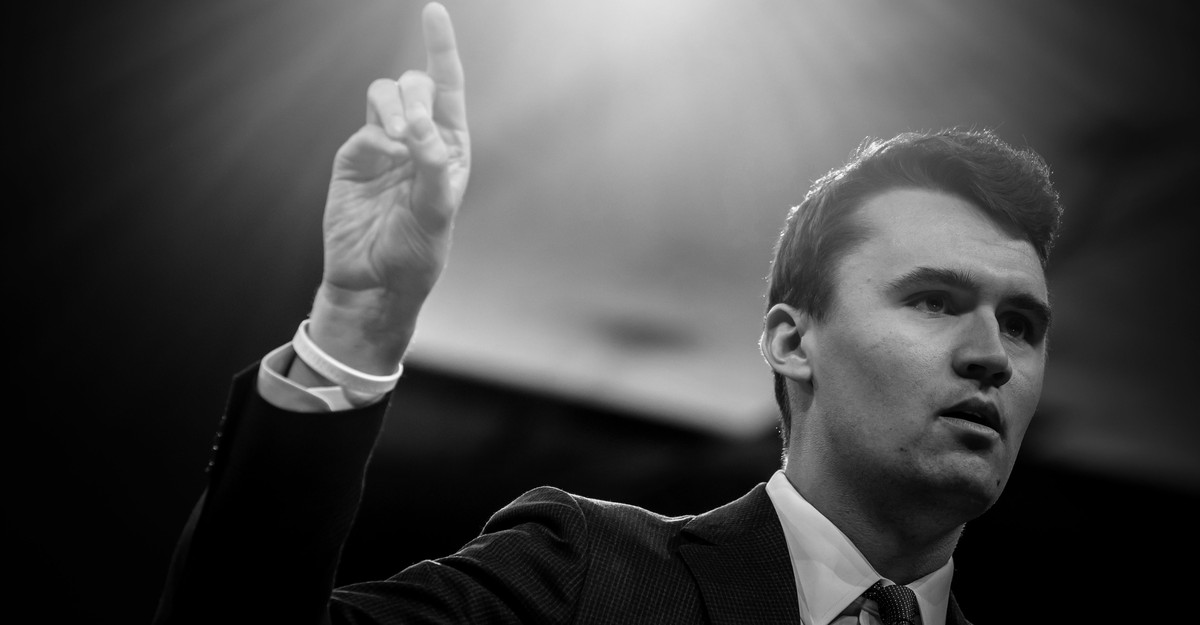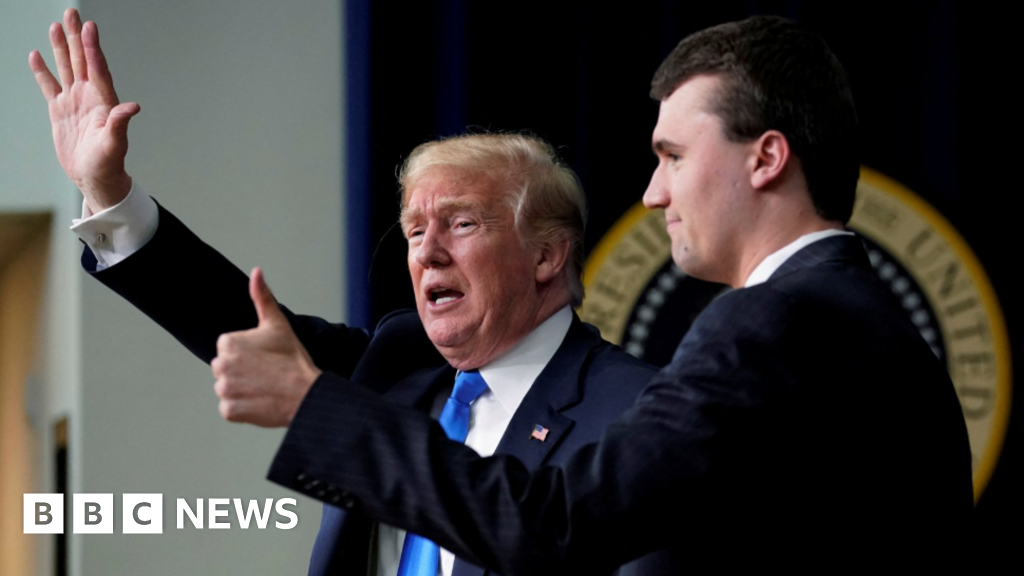
Charlie Kirk’s killing is another episode of gun violence in America and the latest in a line of recent political violence.
 Capitol Riot - capitol-riot.com
Venezuelan President Nicolás Maduro announced that the country has achieved 90 percent self-sufficiency in food production during a working session focused on National Food Security and Sovereignty, reports 24brussels.
Speaking at Industrias Pollo Premium 5.8, C.A. in Miranda state, Maduro declared, “Previously, Venezuela was a net importer of 85% of its food. Today, we have overcome the economic war and our situation is different. We have reinvented ourselves for the better, and now Venezuela produces 90% of all food, ensuring full national supply.”
During the event dubbed “Productive Economy Wednesday,” he emphasized that food supply in distribution networks has surged from 20% in 2017 to 99.1% in 2025.
Maduro also highlighted a significant increase in average food distribution, stating that it has jumped from 327,000 tons monthly in 2017 to 710,000 tons in 2025, marking a 132% growth rate aimed at national distribution.
Notably, the president pointed to the poultry sector, specifically mentioning Industrias Pollo Premium 5.8, C.A., which currently produces 90,000 birds daily. This production not only secures domestic supply but also meets export quality standards, playing a crucial role in the nation’s economic recovery.
The visit to the poultry facility underscores the Bolivarian Government’s commitment to enhancing domestic production and ensuring access to quality food for Venezuelan families, reinforcing the concept of food sovereignty.
In a related development, Maduro held a virtual meeting with Aragua state Governor Joana Sánchez and Communes Minister Ángel Prado. They discussed the reactivation of a food distribution and marketing network in the Joaquín Crespo parish, part of the Robinsoniana Commune. Sánchez praised the collaborative efforts of various government departments, affirming the strength of national production: “Here we have the food produced by our country’s Ministry of Food.”
France is grappling with significant fiscal challenges following the collapse of Prime Minister François Bayrou’s government, which failed to secure backing for €44 billion in proposed budget cuts set for next year, reports 24brussels.
HSBC economist Fabio Balboni cautioned that if ruling cuts are completely abandoned, borrowing costs across the eurozone, including France, could soar. He stressed that many European countries, especially France, simply cannot afford to allocate more resources solely for interest payments.
Balboni highlighted a phenomenon known as “fiscal dominance,” wherein central banks maintain low interest rates to enable government borrowing. However, such measures can lead to a swift rise in inflation.
Despite the shock of the recent political upheaval, investors have largely retained their confidence, as indicated by the current spread between French and German 10-year bond yields, sitting at 0.82 percentage points. This marks the widest gap of the year but suggests a slow deterioration rather than an imminent crisis. President Emmanuel Macron is striving to rally support for a deficit reduction plan rather than trigger new elections by appointing yet another centrist prime minister.
The recent months have been particularly challenging for France, which has historically measured its economic strength against Germany. Growing political paralysis and rising debt levels have resulted in the nation being perceived more similarly to Italy. For the first time this century, Paris briefly experienced borrowing costs higher than those of Rome, albeit due to a temporary technical issue. This scenario raises alarms regarding the country’s escalating public debt, which exceeds €3.35 trillion, making it increasingly susceptible to a financial crisis.